Understanding the Metabolic Dysfunction-Associated Steatotic Liver Disease (MASLD) Spectrum
Patients With Cardiometabolic Risk Factors for Fibrosis Should Be Evaluated for MASH1
- Obesity
- Prediabetes or type 2 diabetes
- Elevated triglycerides
- Low HDL cholesterol
- Hypertension
MASLD
Steatotic liver disease + presence of ≥1 cardiometabolic criterion, with exclusion of excessive alcohol intake and other causes of steatosis2
Excessive alcohol consumption is
>3 drinks/day (F)
>4 drinks/day (M)
Metabolic Dysfunction-Associated Steatohepatitis (MASH)
Active form of the disease characterized by histologic features2
- Hepatocellular ballooning
- Lobular inflammation
Fibrosis Progression in MASH2,3
-
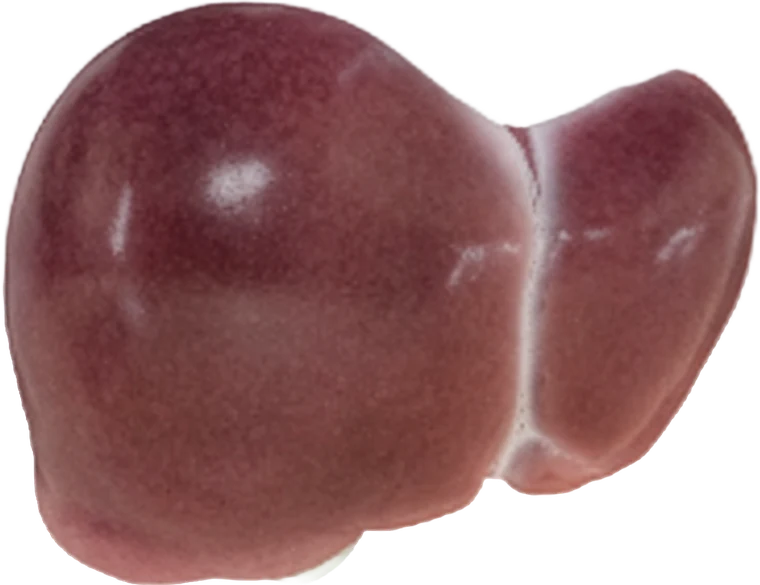 Healthy
-
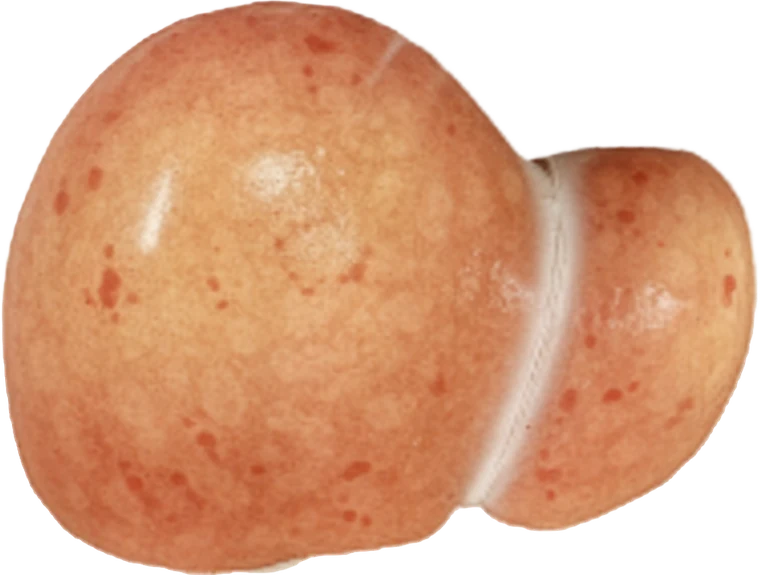 No/Mild Fibrosis
(F0/F1)
-
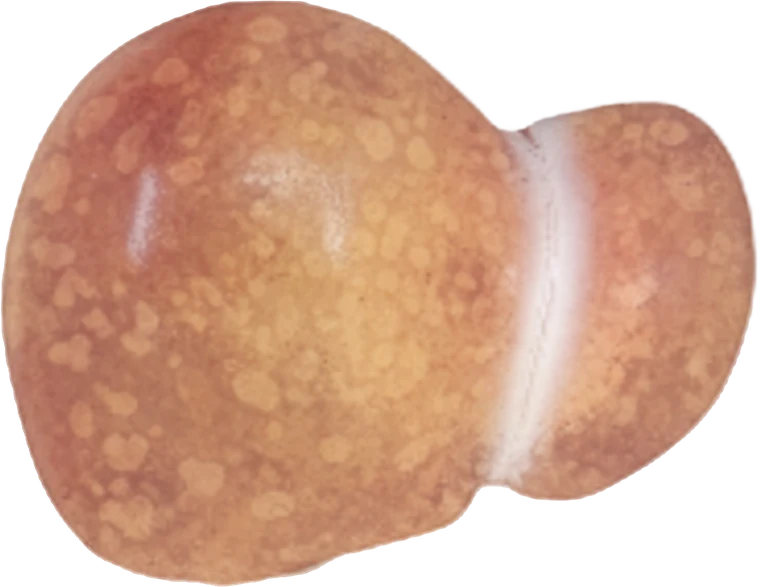 Moderate Fibrosis (F2)
-
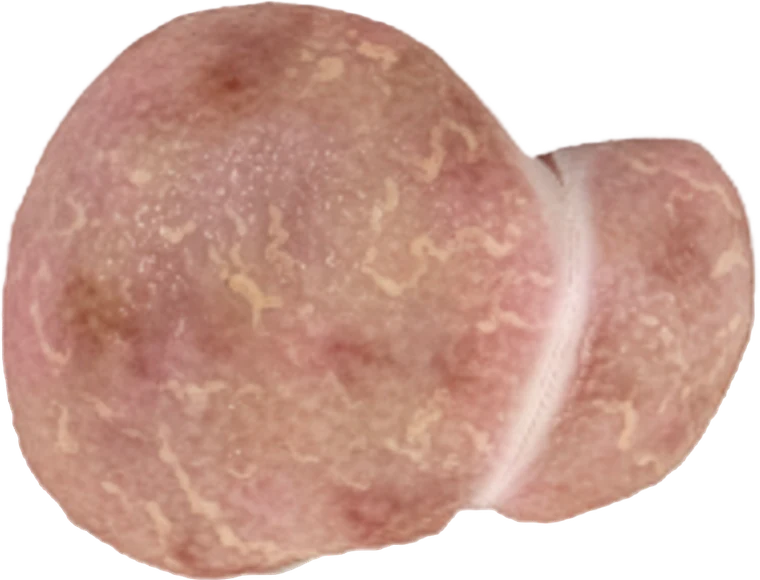 Severe Fibrosis (F3)
-
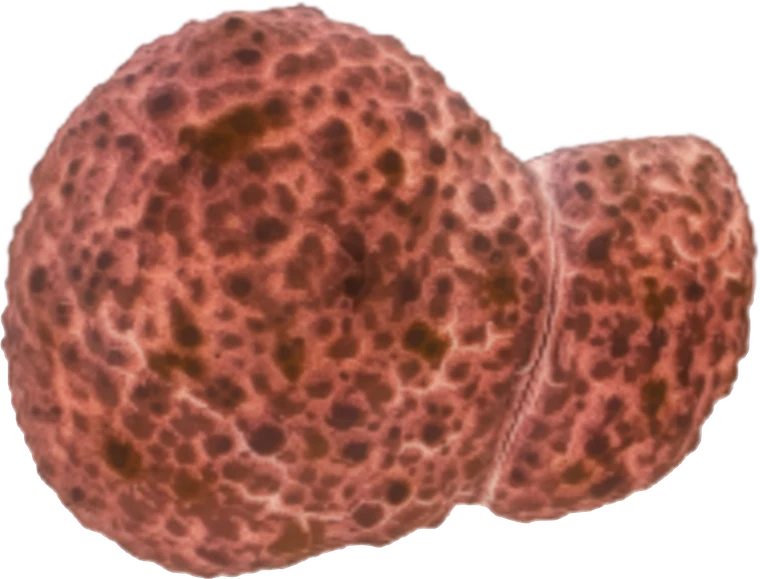 Cirrhosis (F4)
Patient Screening, Risk Stratification, and Assessment: Guidelines and Key NITs
Initial Screening and Risk Stratification
For additional information, explore the Biomarkers and Diagnostic Tests in MASH presentation
Fibrosis-4 (FIB-4)1,2,5
The FIB-4 Index is a nonproprietary score based on age, , and that estimates the likelihood of advanced liver fibrosis (≥F3)
FIB-4 is recommended by current guidelines as an initial screening and risk stratification tool
SAFE (Steatosis-Associated Fibrosis Estimator)9
The is a nonproprietary score calculated using 7 variables to estimate the likelihood of clinically significant liver fibrosis (≥F2)
- Age
- and (total protein minus albumin)
Patient Screening, Risk Stratification, and Assessment: Guidelines and Key NITs
Fibrosis Assessment
Ultrasound-based elastography
US elastography is used to noninvasively quantify liver stiffness, which estimates the degree of fibrosis. Cutoff values may be system dependent2
Cutoff values for fibrosis staging using VCTE (FibroScan®)2,4
| PARAMETER | DEFINITION | CUTOFF, kPa |
|---|---|---|
| F0-F1 | No to mild fibrosis | <8 |
| F2-F3 | Moderate to advanced fibrosis | 8 to 20 |
| F4* | Cirrhosis | 20 |
Cutoff values for fibrosis staging using VELACUR 3D11
| PARAMETER | DEFINITION | CUTOFF, kPa |
|---|---|---|
| F0-F1 | No to mild fibrosis | <5.7 |
| F2-F3 | Moderate to advanced fibrosis | 5.7 to 8.3 |
| F4* | Cirrhosis | ≥8.4 |
*Consider additional tests for confirming stage of liver fibrosis in patients with VCTE-LSM between 15 to <20 kPa.4
Magnetic resonance elastography (MRE)
MRE measures liver stiffness and is considered the most accurate noninvasive imaging technique for staging liver fibrosis in MASH2
Cutoff values for fibrosis staging using MRE4
| PARAMETER | DEFINITION | CUTOFF, kPa |
|---|---|---|
| F0-F1 | No to mild fibrosis | <3.1 |
| F2-F3 | Moderate to advanced fibrosis | 3.1 to 4.9 |
| F4 | Cirrhosis | ≥5.0 |
ELF
Following a positive first-line test result (eg, FIB-4), the ELF blood test is commonly recommended as a second-line assessment if elastography is unavailable1,4
Cutoff values for fibrosis staging using ELF4
| FIBROSIS STAGE | DEFINITION | CUTOFF |
|---|---|---|
| F0-F1 | No to mild fibrosis | <9.2 |
| F2-F3 | Moderate to advanced fibrosis | 9.2 to <11.3 |
| F4 | Cirrhosis | ≥11.3 |
For additional information, explore the Biomarkers and Diagnostic Tests in MASH presentation